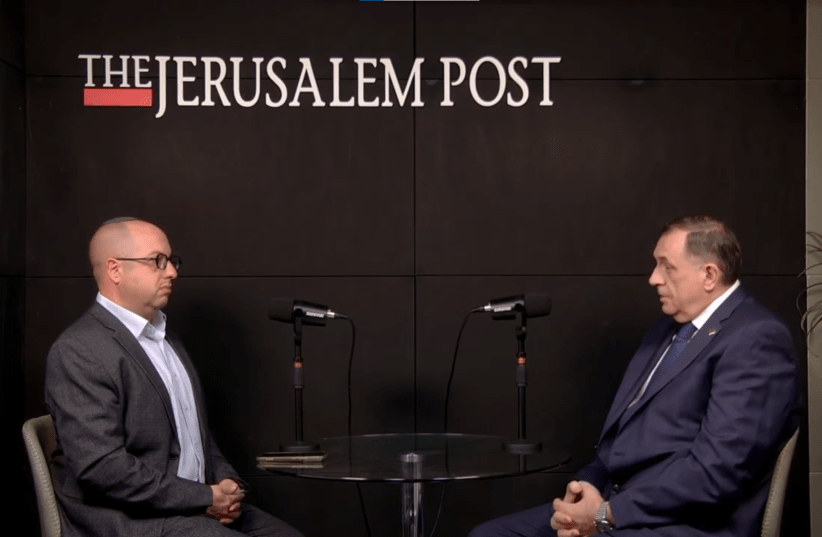
Milorad Dodik, President of Republica Srpska said for The Jerusalem Post that he got sanctioned by the US and Europe, attributing these sanctions to their support for policies aligned with former President Trump. He emphasize that the situation in Bosnia is stable and that their actions do not threaten peace, claiming that accusations against them are unfounded. Dodik recounts their efforts to gain support from the Serbian community in the US and expresses frustration that sanctions were imposed just days before Trump’s inauguration, suggesting that these actions are politically motivated. They assert their commitment to maintaining the legal and constitutional order in Bosnia and reject any notion that they are jeopardizing peace.
When Republika Srpska President Milorad Dodik visited Israel, he took the initiative to sit down with journalist Zvika Klain at The Jerusalem Post’s offices for a direct conversation about antisemitism and the historic ties he claims bind the Serbian and Jewish peoples. However, just a day after their discussion, headlines shifted sharply. A Sarajevo court issued an international arrest warrant for Dodik, accusing him of undermining Bosnia’s constitutional framework and defying the Office of the High Representative’s rulings. The timing of this announcement raised questions, given Dodik’s simultaneous presence in Israel.
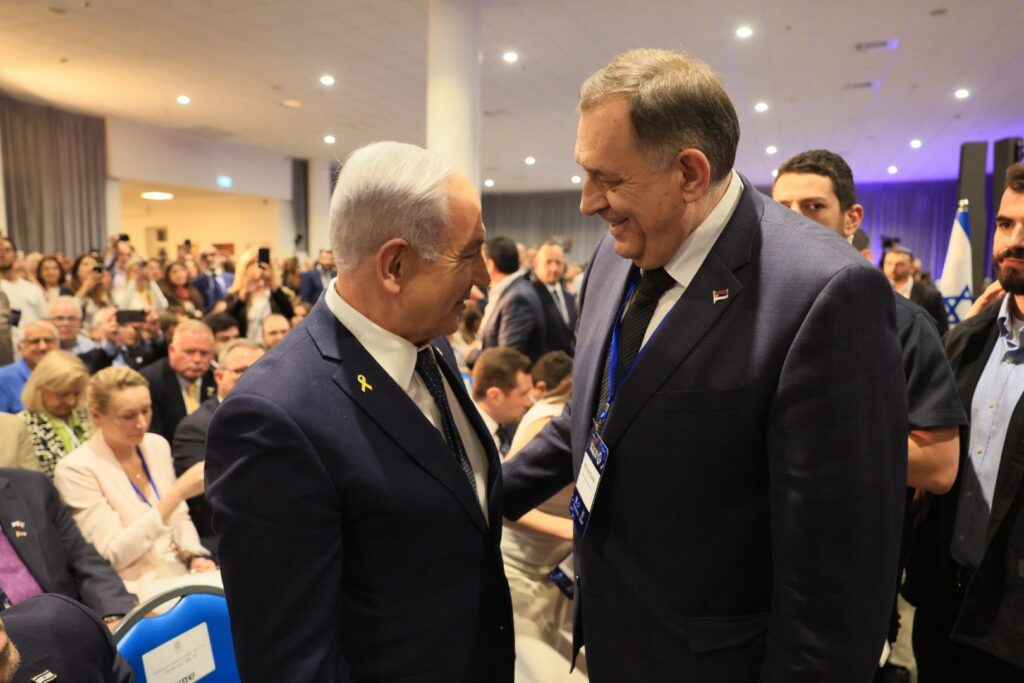
Dodik’s visit had already attracted diplomatic scrutiny. Reports indicated he left the Jerusalem conference on antisemitism early due to pressure from Israeli officials. Yet, in reality, he stayed through the event and even appeared in photographs alongside Prime Minister Benjamin Netanyahu. Dodik expressed frustration at the reception he received, describing himself as “a guest made to feel like an intruder.”
Dodik’s political trajectory has been anything but ordinary. Initially viewed as a moderate, he has, over the past decade, embraced nationalism, drawn closer to Russia, and frequently criticized Western policies in the Balkans. His repeated calls for Republika Srpska’s secession from Bosnia and opposition to the central government in Sarajevo have made him a polarizing figure. His alliances, particularly with Russian President Vladimir Putin, and his vocal support for Donald Trump-era policies have contributed to his international isolation.
In the interview, Dodik sought to frame the challenges faced by Serbs in Bosnia as parallel to those faced by Jews worldwide. He accused Bosniak leaders of fostering Islamist ties and enabling the spread of radical ideologies. These claims are not entirely without basis—during the 1990s Bosnian War, foreign fighters, including Iranian-backed groups, were present on the Bosniak side. Today, some observers remain concerned about Iranian and Turkish influence in the region. However, Dodik’s rhetoric also ventures into controversial territory, including his denial of the Srebrenica genocide, a position at odds with international court rulings.
Throughout conversation, Dodik returned to a recurring theme: a sense of shared victimhood between Serbs and Jews, both allegedly misunderstood and unfairly blamed by the international community. He compared the challenges faced by Israel in the face of global hostility to those encountered by Republika Srpska. While his views are contentious, they reflect a deeply entrenched narrative of grievance and identity.
“Our decision to publish this interview is grounded in the principles of journalism. By engaging directly with figures like Dodik, we enable readers to evaluate the complexities of the issues and form their own opinions. In choosing to deliver his message from Jerusalem, rather than Moscow or Belgrade, Dodik sought to connect with the Jewish community and raise awareness about the issues he views as parallel struggles. As his legal and political challenges evolve, his provocative statements on topics ranging from international relations to the future of his region are likely to continue sparking debate”, The Jerusalem Post journalist Zvika Klain said.